
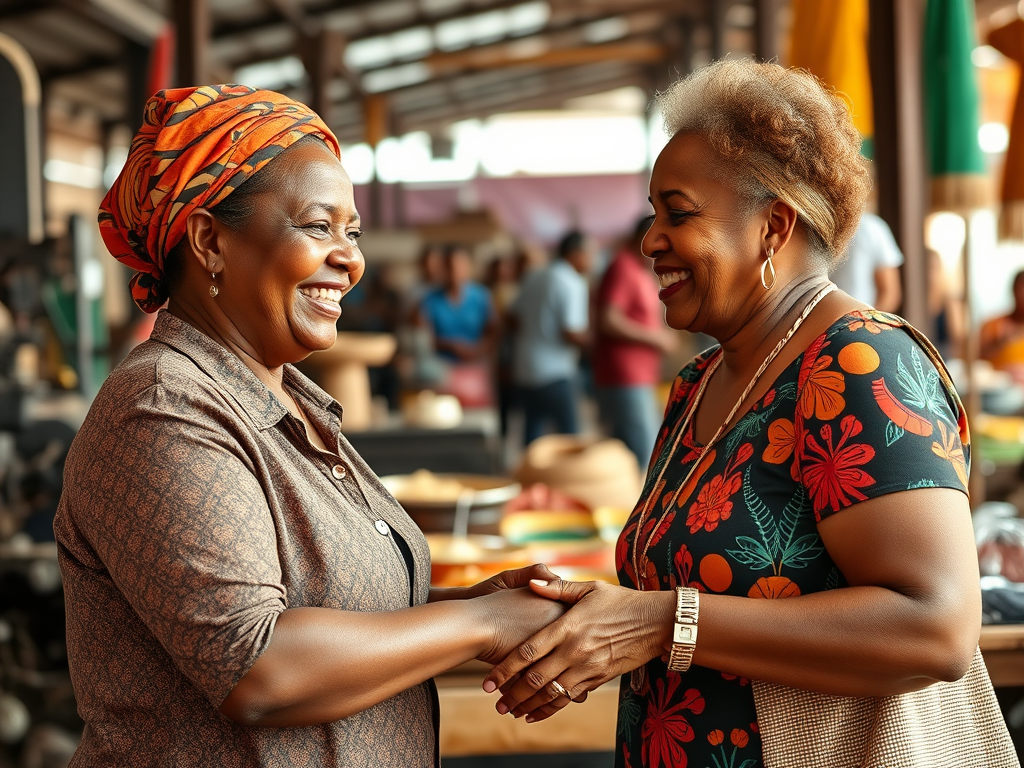
Collaboration isn’t just about contracts or shared logos. It’s about people, trust, and the courage to grow together. In South Africa, where small businesses and freelancers often rely on community support, collaboration can be the difference between surviving and thriving.
I saw this firsthand growing up. My mother once partnered with a woman named Aunty Hilda, who owned a factory that manufactured ladies’ underwear.
- Aunty Hilda had the production power — machines, materials, and the ability to create quality products at scale.
- My mother had a gift for people. She could talk to anyone, and customers loved her because she made them feel heard and valued.
Together, they built something greater than either could have achieved alone. Aunty Hilda ensured the products were well-made, while my mother created a sense of trust and connection with customers. That combination — strong manufacturing paired with genuine human relationships — turned their collaboration into a thriving business.
It taught me early on that collaboration isn’t just about skills or resources. It’s about trust, respect, and knowing how to complement each other’s strengths.
A Local Story from Mbombela
A local coffee shop in Mbombela once teamed up with a nearby artisan bakery. The coffee shop had loyal morning customers, while the bakery struggled to get foot traffic before lunchtime.
By offering each other’s products — coffee with fresh pastries, bread with takeaway cappuccinos — both businesses saw a surge in sales. More importantly, they created a morning ritual for the community.
That’s the beauty of collaboration: it’s not just about numbers; it’s about weaving yourself into people’s daily lives.
Freelancers: Stronger Together
Think of a freelance designer and a copywriter. Alone, each can deliver good work. But when they collaborate — visuals paired with words — they create campaigns that truly resonate.
- The designer’s creativity shines brighter with the copywriter’s storytelling.
- The copywriter’s words carry more weight when supported by strong visuals.
Together, they thrive by offering clients a complete package that neither could achieve alone.
The Benefits of Collaboration
- Shared resources: Pooling strengths reduces costs and boosts efficiency.
- Expanded reach: Each partner introduces the other to new audiences.
- Innovation spark: Different perspectives often lead to fresh ideas.
- Risk-sharing: Challenges feel lighter when carried together.
- Community impact: Partnerships strengthen the local ecosystem, creating ripple effects of growth.
The Challenges
Collaboration isn’t always smooth sailing. Take the example of a Cape Town design studio that partnered with a tech startup. The studio wanted creative freedom, while the startup pushed for strict deadlines. The clash of cultures nearly derailed the project. Only after pausing and resetting expectations did the partnership find its rhythm.
Challenges like these remind us: collaboration requires patience and clarity.
- Cultural clashes: Different values or working styles can cause friction.
- Unequal effort: One partner may feel they’re carrying more weight.
- Brand dilution: If the collaboration isn’t aligned, your identity can blur.
- Confidentiality risks: Sharing sensitive information always carries danger.
- Dependency: Relying too heavily on one partner can weaken independence.
Making Collaboration Work
- Set clear goals and expectations from the start.
- Put agreements in writing to protect both sides.
- Keep communication open, honest, and respectful.
- Review progress regularly and adjust where needed.
- Celebrate wins together — trust grows when success is shared.
Conclusion
Collaboration is an art. It requires trust, clarity, and a shared vision. Done right, it can elevate your business beyond what you could achieve alone. Done poorly, it can drain energy and resources.
At the heart of it all is a simple truth: when businesses and freelancers work together, we don’t just survive — together we thrive.